History of Gainesville Arkansas

Gainesville, Arkansas, once a thriving village in Greene County, was established in 1840 after becoming the county seat. In 1846, it featured a log courthouse, two stores, and five homes, with around 350 residents by 1882. Notable businesses included several general stores and a school, alongside a Methodist church. However, after the county seat moved to Paragould in 1884, many residents and professionals followed, leading to Gainesville’s decline. The community largely transformed into an agricultural area overshadowed by the growth of Paragould.

History of Salem Arkansas

Old Salem, established in southern Greene County during the 1830s, was named after a Methodist church that flourished in the 1950s and 60s. The church served as a significant gathering place, hosting large camp meetings and providing a cemetery for local burials. Notable figures, including Rev. Porter Powell, contributed to its history. However, the church eventually declined, possibly due to nearby church establishments. Today, the abandoned cemetery is overgrown and forgotten, with many graves and tombstones in disrepair, reflecting the passage of time and the fading memory of its once-vibrant community.

History of Coffman Community Arkansas

The Coffman community in southeastern Greene County was settled in 1880 by Ross Coffman, who expanded his 400 acres to 3,000, introducing a sawmill, brickyard, and cotton gin. Notable for its early modern features, such as running water, the community included a gristmill and a boat landing on the St. Francis River. The first schoolhouse was built in 1895, and the Robb’s Chapel Baptist Church followed in 1924. Despite challenges like a devastating cyclone in 1911, Coffman’s road infrastructure improved over the years, supported by early settlers who contributed to its development.

History of Breckenridge Township Arkansas

Breckenridge Township was established in January 1900 due to the needs of residents from northern Union Township and western Hurricane Township. Originally consisting of 55 sections, its boundaries were later adjusted to exclude 15 sections. The township, bordered by Crowley, Union, Hurricane, and Hopewell Townships, features three unincorporated villages: Lafe, Hooker, and Stonewall, along with communities like Meadows Grove and Upper Lafe. Settlement in the area began in the 1850s, facilitated by railroads that opened opportunities for new settlers, particularly timber and agricultural development.

History of Beliew Community Arkansas

Charles Cooper Beliew, affectionately known as “Uncle Charlie,” was a well-respected figure in Greene County, having been born on October 25, 1868, in Tennessee. Orphaned early, he was raised by his uncle and aunt, Aaron and Nancy Beliew, who moved to Greene County in 1886. Uncle Charlie married Sarah Emmaline Jamison in 1891 and had four children. He became a prominent landowner in the area, contributing to local heritage with the establishment of Beliew Hill Church and cemetery. He passed away on July 18, 1958, leaving behind a legacy remembered fondly by the community.

Greene County Arkansas Post Offices

The message lists the names and operational years of various post offices in Greene County, Arkansas, and parts of Craighead or Clay counties. It includes post offices such as Amberg, Bailey, Bard, Black Jack, and Daisy, among others, detailing their specific years of operation and naming origins. Some date back to the early 1800s, while others were active in the early 20th century.

Some Greene County Arkansas Banks

Greene County, Arkansas, has a rich banking history with notable institutions such as Greene County Bank, established in 1888, which failed in 1901. The Bank of Paragould followed in 1889, eventually becoming the First National Bank of Paragould in 1903 after increasing its capital from $30,000 to $50,000. The Bank of Commerce was incorporated in 1901, growing its capital stock to $100,000 by 1910.

Greene County Arkansas Community Histories

Marmaduke Meadows Grove, located near State Road 141, has historical significance tied to the Meadows family, who settled in the mid-1850s. The family established a cemetery, and a school named Meadow’s Grove was built nearby. Over time, educational facilities evolved, leading to the establishment of Jackson College. The Miller Community, particularly Scatter Creek, also has historical roots with its own school and church, which served the local populace until their eventual consolidation and decline. These sites reflect the rich educational and community heritage in Green County, Arkansas.

History of Stonewall Arkansas

Stonewall, Arkansas, emerged in the 1880s as a railroad flag station, initially named “Collinsville” before being renamed after its stone walls. Officially established on February 5, 1884, the post office faced multiple closures and re-establishments. Despite its small size, with the population around 100, Stonewall had a box factory, a sawmill, and various community services, including a school and churches. Over time, it became increasingly isolated as rail services ceased and highways bypassed the town. Today, Stonewall remains a small community with a grocery store and post office.

History of Marmaduke Arkansas

Marmaduke, Arkansas, established in 1882 by the Cotton Belt Railroad, evolved from a small settlement into a bustling town by 1914, boasting various businesses and a strong timber industry. The town is named after Major-General John Sappington Marmaduke, reflecting its historical roots connected to the Civil War. Early infrastructure, like railroads, facilitated growth, while timber resources initially sustained the economy. However, economic hardships during the Great Depression led to a decline in businesses and population. Today, Marmaduke has a population of around 1,100 and retains a functioning local government, highlighting its resilience over the years.

History of Miller Community Arkansas

Miller Community, situated in Greene County’s southwest corner, features fertile sandy loam soil and history-rich landscapes shaped by the Great Earthquakes of 1811-1812. This area hosts several islands, historically inhabited by Native Americans and outlaws. Key developments include early settlements, a two-story school building, and a thriving fishing and hunting scene. The community once boasted multiple stores, mills, and churches, while also facing challenges during Prohibition.

History of Greene County – Northeast Arkansas Memoirs

Greene County, located in northeastern Arkansas, spans 600 square miles and is bordered by Clay County to the north and the St. Francis River to the east. Characterized by Crowley’s Ridge, the area features diverse timber and fertile land favorable for crops, primarily cotton and corn. Established in 1833, Greene County’s population has grown significantly post-Civil War, bolstered by railroads and a lumber industry driven by numerous sawmills. Paragould, the current county seat, emerged in 1882 and has rapidly developed into a thriving town with various businesses and educational institutions.

Greene County Arkansas Biographies

The following biographies were compiled as part of the manuscript Biographical and Historical Memoirs of Northeast Arkansas. The book was published in 1889 and you would expect that any biographical sketch of a living person would reflect their life up to that point. These biographies that were published back in the late 19th and early 20th century were often subscribers to the manuscript and did not include all the individuals in the community. These are the biographies for Greene County.

Greene County Arkansas History

Greene County, Arkansas, located in the northeastern part of the state, was named after Revolutionary War General Nathaniel Greene. The county features three incorporated towns: Paragould, Marmaduke, and Delaplaine, along with numerous villages. Historically, timber was the primary industry until the railroads arrived, facilitating agriculture, particularly cotton and corn farming. Communities like Gainesville and Marmaduke have rich histories tied to early settlements and the Civil War. Delaplaine is notable for its Indian settlement, while Lafe reflects the influence of German settlers. Walcott has maintained a small-town charm since its establishment in 1821.

Green County Arkansas Township Beginnings

The article provides a historical overview of various townships in Green County, Arkansas, detailing their creation dates, annexations, and subsequent changes between 1850 and the early 20th century. Many townships, such as Big Creek, Black River, and Concord, were annexed to neighboring counties like Craighead and Clay. The document highlights the evolution of township boundaries and identities, illustrating the complexities of local governance and demographic shifts over time.

Diary of Judge James Edward Reddick

The diary of Judge James Edward Reddick, preserved on microfilm at the Greene County Library, captures his reflections from 1874 to 1899. It reveals his thoughts on daily life, law, nature, and personal emotions, often tinged with melancholy. Reddick expresses a blend of joy and sorrow, contemplating love, solitude, and the passage of time. His entries reflect on relationships, the changing seasons, and his aspirations, highlighting his struggle with feelings of nostalgia and the weight of responsibilities. This partial transcription serves as a poignant glimpse into his life and mindset during a transformative era.

1937 Stedman Hardware Business Ledger

The 1937 Stedman Hardware Business Ledger contains a daily record primarily kept by C.W. Stedman. The ledger documents business transactions from April 1, 1936, to May 22, 1937, including weather reports and a “flood diary” detailing the severe 1937 flood in eastern Arkansas. It reveals the community’s desperate calls for help as they faced rising waters, with accounts of people stranded and in need of rescue. The fragile ledger now serves as a historical account of the local response to the disaster and its impact on the Greene County community.

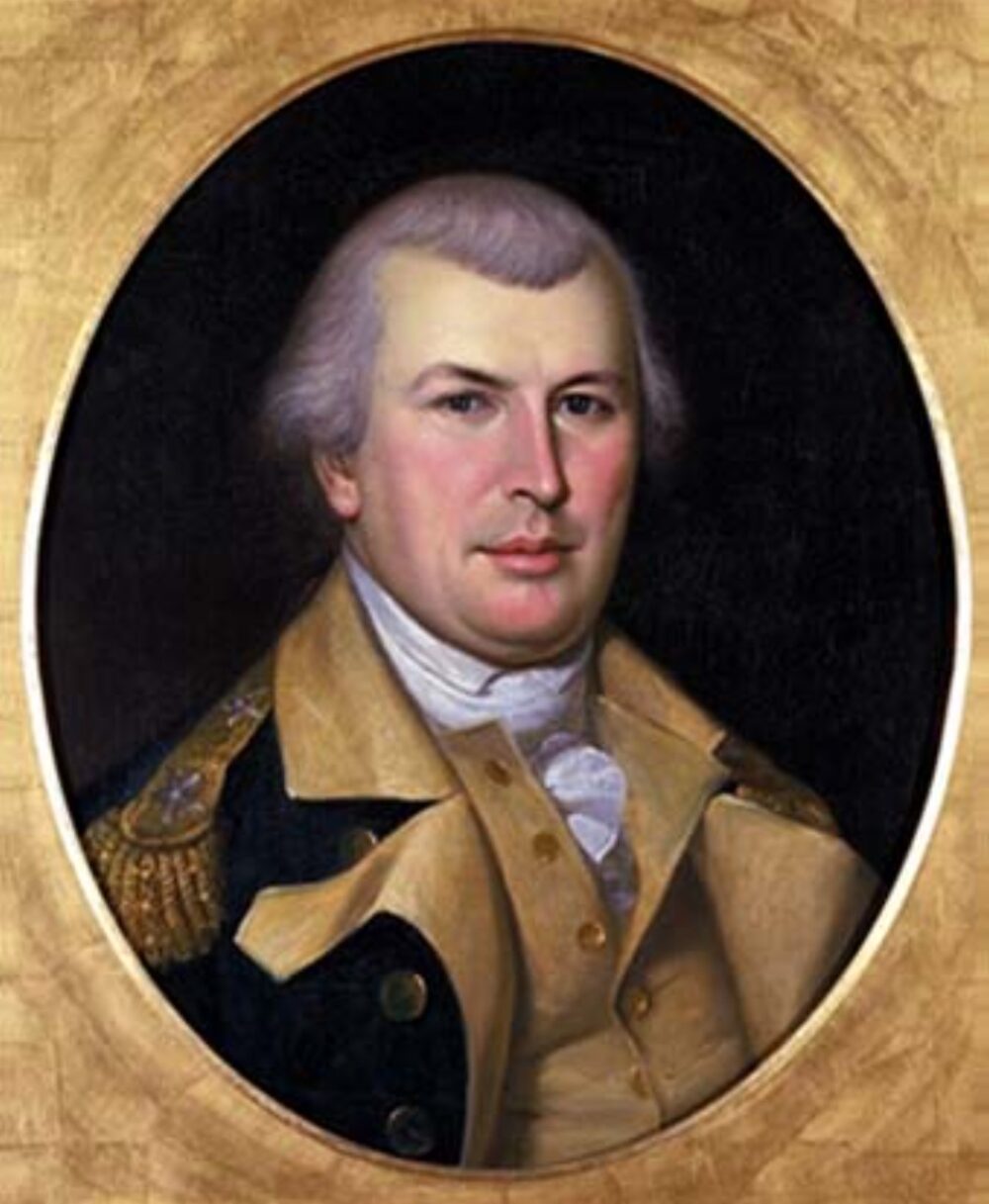
General Nathaniel Greene

General Nathaniel Greene

General Nathaniel Greene, after whom Greene County Arkansas is named, was a prominent figure in American history. Born in Warwick, Rhode Island, he played a crucial role in the Revolutionary War and was granted 25,000 acres of land in North Carolina in 1784. His lands were among the first to be surveyed in Tennessee. Greene faced hardships during harsh winters and passed away in 1786 from sunstroke in Georgia. His life and legacy are documented through various historical accounts, although no comprehensive genealogy has been published about him.

Large Gathering of Aged People – Guests of Bud Ryan

Bud Ryan, the owner of Ryan Cafe, hosted a delightful gathering for 137 seniors aged 75 and over today, treating them to a lavish chicken dinner in his bustling restaurant. Guests enjoyed a warm welcome from Ryan, whose joyful demeanor matched the festive atmosphere. The event continued at Capitol Theater, where they watched “Paramount on Parade,” a captivating talkie film. Each attendee signed a register, marking this memorable occasion, which strengthened community bonds among attendees and their host. The event promises to be cherished in the hearts of all who participated.

The Crowley Families of Greene County

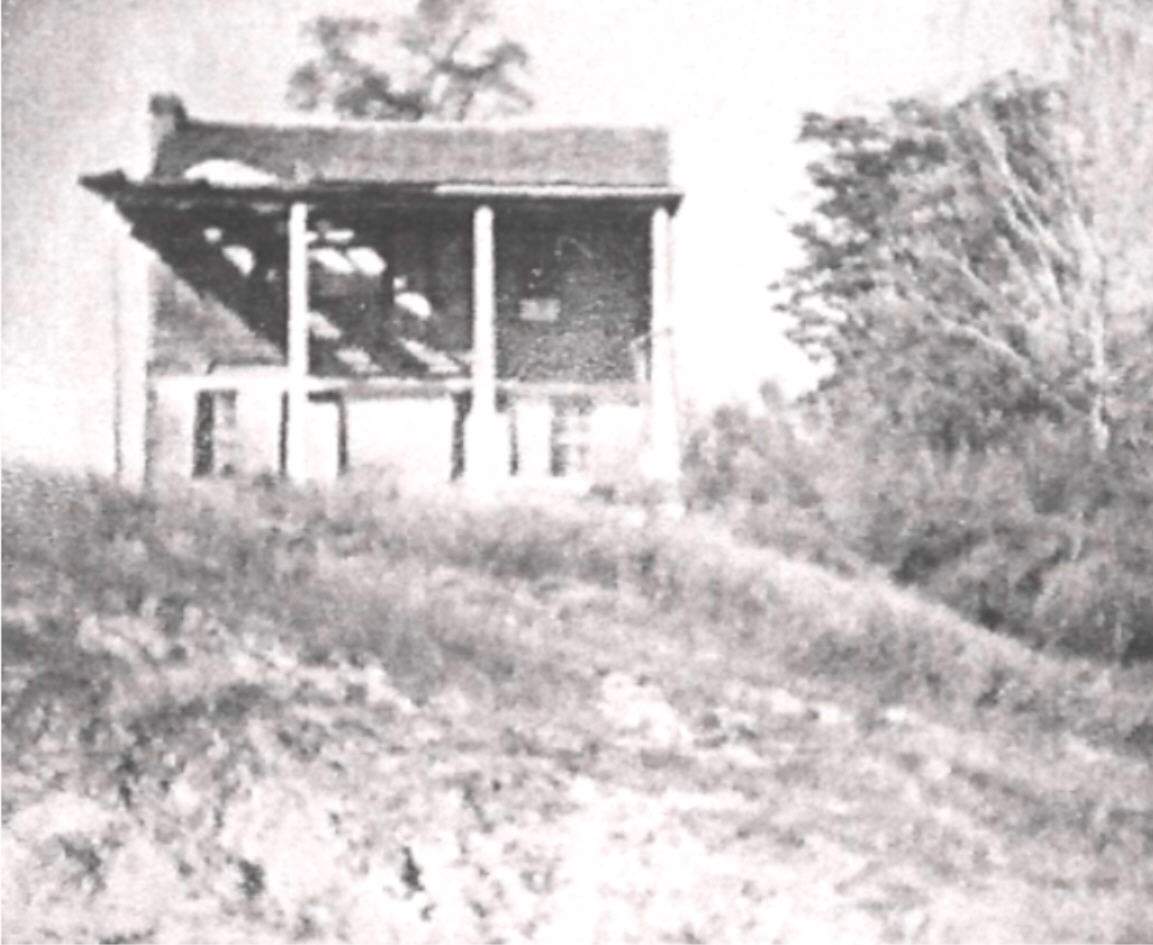
Picture of the front of the Crowley House

The Crowley family, starting with Benjamin Crowley born in 1758, played a significant role in early Greene County history. After marrying Catherine Wiley, Benjamin moved across several states, eventually settling in Greene County where he founded Crowley’s Ridge and established the first post office. Their son, Wiley Crowley, contributed to local infrastructure and community, while also facing personal challenges and tragedy, including losses during the Civil War. The family’s legacy includes influential descendants, such as Benjamin H. Crowley, who served in various public capacities, illustrating the Crowleys’ integral part in shaping the region’s development.

Notices of Administrator’s Sale

The administrator of L. T. Shannon’s estate will sell Lot Fourteen in Lambert First Addition, Paragould, Arkansas, on February 28, 1920, under a Probate Court order, with terms requiring a three-month credit and security. Additionally, Mrs. S. B. Whitsitt, administratrix of H. J. Whitsitt’s estate, will seek permission on May 2, 1920, to sell Lots One and Two in Block Two for debt payment and reinvestment. Both sales are part of estate management proceedings in Greene County.

Greene County – Arkansas History & Genealogy

Greene County, Arkansas, located in the northeastern part of the state, spans approximately 580 square miles and is bordered by several counties and Missouri. Established courts initially convened at the home of the first settler, Benjamin Crowley, before moving to designated courthouses. The county has a rich history, including notable court cases and the establishment of social services like the Poor Farm in 1891. Genealogy efforts are part of the larger American History Genealogy Project, which documents various historical and familial records, highlighting the area’s past.

Green County AR Chattel Mortgages Index, 1897 – 1901

This document serves as a partial index of Chattel Mortgages from Green County, Arkansas, covering the years 1897 to 1901. Originally intended as a genealogy project by Tina Easley, it remains incomplete. The index features a list of borrowers and lenders, detailing their respective page numbers within the record book located in the old courthouse basement. The entries provide essential details for genealogical research and historical insights into financial agreements of the time.